
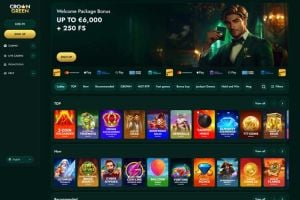
Online casino account security is more than choosing a strong password. Before sharing personal details, New Zealand adults should confirm whether an operator accepts customers in their location, understand when identity checks may occur, and know how account recovery works. The available information for https://crowngreen-casiino.com indicates that requirements can vary by market and may change over time. That makes careful checking especially important before creating an account, depositing funds or relying on any published feature.
Confirm jurisdiction before entering personal details
The first security question is not technical. It is whether you are permitted to use the service from your location. The available material is inconsistent about New Zealand eligibility: one market-facing review says local players are accepted, while a published restricted-country list includes New Zealand. The terms also place responsibility on the customer to ensure online gambling is lawful where they live.
Do not treat a registration page, a local currency reference or the appearance of a New Zealand-facing review as proof that an account is permitted. A form may be visible even when a location is restricted, or the rules may have changed since an older review was published. Check the current terms, restricted-country wording and any location control shown during registration before submitting your name, email address or other information.

This is also relevant to account protection because an ineligible account may later face restrictions, suspension or difficulty completing verification. Offshore licensing information should not be confused with New Zealand regulatory authorisation. If the current site presents conflicting information, save a copy of the relevant wording and ask support for a clear written answer before proceeding. Avoid making a deposit while eligibility remains uncertain.
What information may be requested during verification?
The displayed registration process asks for a name, email address and password, while the terms require account details to be accurate. Identity checks may be requested before a withdrawal or even before certain account functions are completed. The available material does not consistently specify every accepted document or a guaranteed verification timeframe, so customers should rely on the current request rather than assumptions from another website.
Possible requests can include proof of identity and documents connected with account or payment checks. Any document should be submitted only through the operator’s recognised secure process, not through an unexpected message or an unverified contact. Check the web address carefully, avoid sending identity documents to personal email addresses, and ask support to explain why a document is required if the request is unclear.
Accuracy matters throughout the process. Using another person’s details, sharing an account, making payments for someone else or opening multiple accounts can create additional checks and may breach the terms. Keep the information consistent with your identity and payment records. Before uploading anything, inspect the document request, confirm that the account is yours, and retain a private record of what was supplied and when.
Build safer login and recovery habits
The sign-in interface uses an email address and password, and the published recovery route sends a login or reset code to the registered email address. This means control of the email account is central to casino-account security. Use a unique password that is not reused for email, banking, shopping or social media, and enable multi-factor authentication on the email account where available.
Never share a password, six-digit recovery code or one-time security code with another person. Legitimate support should not need to know your full password. Be cautious with links in messages claiming that an account is locked or verification is urgent. Instead, open the website using a saved, trusted address or type it manually, then check whether the same notice appears inside the account.
If recovery fails, do not create a second account to work around the problem. The terms prohibit multiple accounts, and a duplicate may complicate ownership checks or the handling of any balance. Contact support through the channel shown on the current site, explain that the original account cannot be accessed, and provide only the information needed to establish ownership.
Protect documents, devices and payment access
Account security continues after registration. Use a private device where possible, keep its operating system and browser updated, and avoid signing in on shared computers. If a public or borrowed device must be used, do not save the password, allow browser autofill or leave the account open. Sign out fully and close the browser session when finished.
Payment security deserves separate attention because the available information says methods, currencies and cashier conditions can differ by market. Do not assume that a method listed in a review is available to a New Zealand account. Check the live cashier and current terms, and review the name, currency and fees shown before confirming a transaction. Never use a third party’s payment method unless the rules expressly permit it.

New Zealand’s online safety guidance for individuals provides practical advice on passwords, scams and protecting personal information. Apply the same caution to identity documents and payment confirmations: redact information that is not required, keep copies securely, and monitor bank or wallet notifications for unexpected activity. If an unfamiliar transaction appears, contact the payment provider promptly and secure the related account.
Take action when an account or request seems unusual
Warning signs include an unexpected password-reset email, a request to send documents through an unofficial channel, pressure to deposit before verification is explained, or a message asking for a code. Other concerns include changes to personal details that you did not make, unfamiliar sessions, or support responses that avoid answering a straightforward jurisdiction or withdrawal question.
If you suspect compromise, change the account password and the associated email password from a trusted device. End other sessions if that option is available, review account and payment activity, and contact the operator through its recognised support route. If payment information may be exposed, notify the bank, card issuer or wallet provider. Keep screenshots, dates, transaction references and copies of relevant correspondence.
Account closure and self-exclusion should also be handled carefully. The available material reports self-exclusion and other account controls, but independent assessments have questioned how consistently some controls are handled. Do not assume a request has taken effect simply because it was sent. Ask for written confirmation, stop using the account while waiting, and seek independent gambling-support advice if you are struggling to control play.
Questions about account security
Can New Zealand residents assume they are eligible?
No. Available information gives conflicting indications about New Zealand access, and the terms require customers to check whether gambling is lawful where they live. Review the current restricted-country list, registration controls and terms before providing personal information. If those sources conflict, ask support for written clarification and do not deposit until eligibility is clear.
What should I do if verification is requested?
Read the request carefully and submit documents only through a recognised secure account or support channel. Check that the name and details match your account, retain a private record of what you send, and ask which documents are required. Do not email identity material to an unverified address or disclose your password or recovery code.
Should I open another account after losing access?
No. The published terms restrict customers to one account, so a second account may create further verification and ownership problems. Use the displayed recovery process first, then contact support if the code does not arrive or the reset fails. Secure the associated email account and keep evidence of your recovery request.